
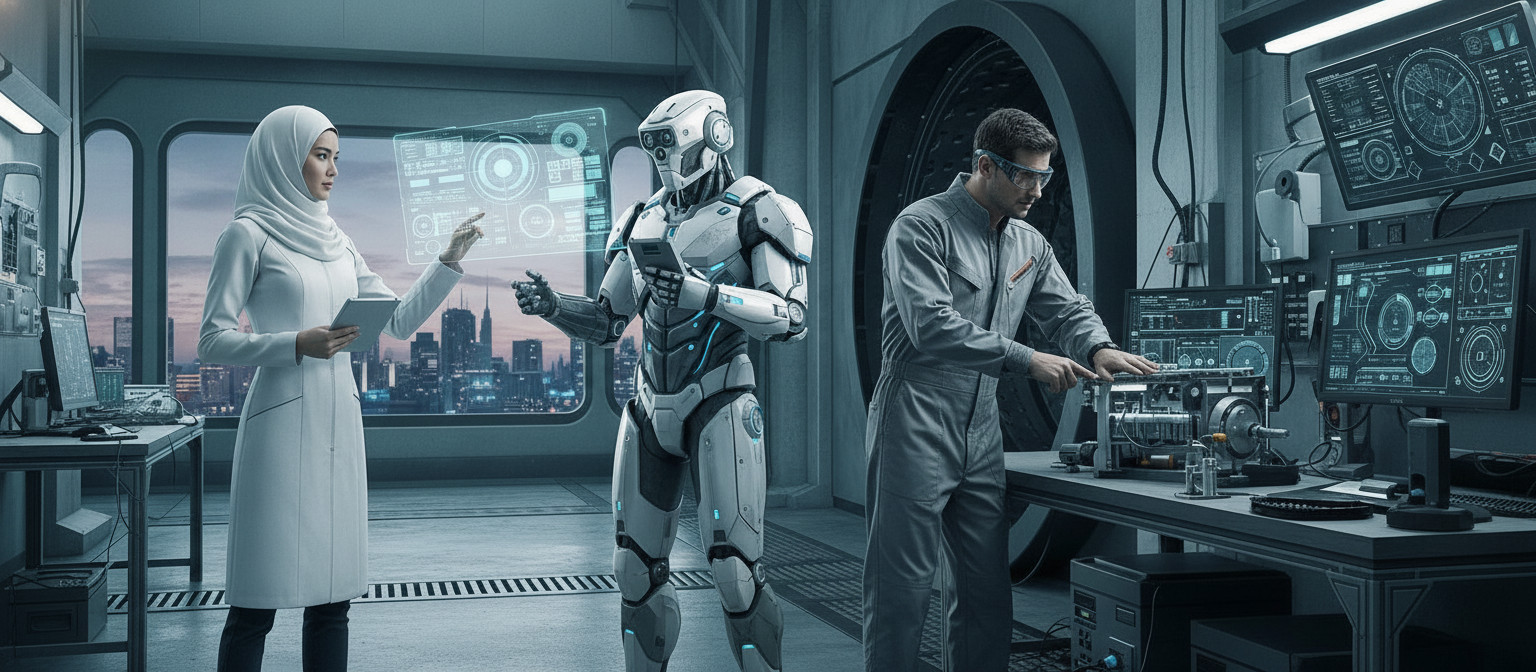
How Much Will AI Affect the Future of Human Life?
Artificial Intelligence (AI) is rapidly transforming various aspects of our lives, from how we work and communicate to how we entertain ourselves and make decisions. As AI continues to evolve, its impact on the future of human life is becoming increasingly profound. Here, we explore the potential effects of AI on various facets of human existence.
” According to a World Economic Forum report, while AI may displace 85 million jobs by 2025, it could also create 97 million new jobs.”
1. Work and Employment
One of the most significant impacts of AI will be on the job market. AI and automation are expected to automate many routine and repetitive tasks, leading to job displacement in certain sectors. However, AI will also create new job opportunities and augment many existing roles. According to a World Economic Forum report, while AI may displace 85 million jobs by 2025, it could also create 97 million new jobs.
Example: AI can automate data entry and analysis tasks, freeing up employees to focus on more strategic and creative work. New roles in AI development, data science, and machine learning will emerge, requiring a skilled workforce.
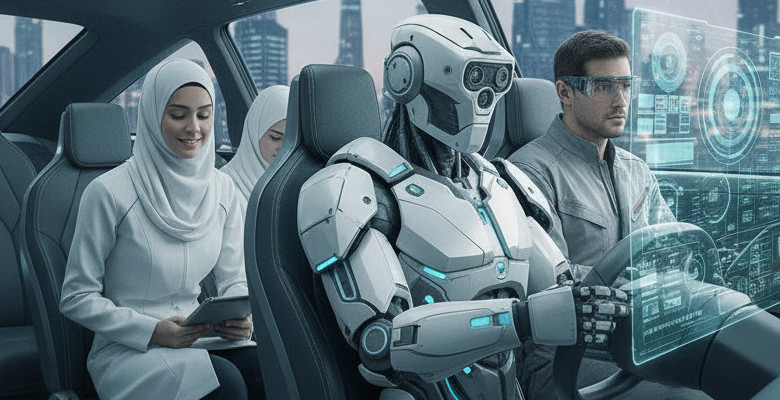
There will be a time when AI can drive vehicles with greater reliability than human drivers.
2. Healthcare
AI has the potential to revolutionize healthcare by improving diagnostics, treatment, and patient care. AI algorithms can analyze vast amounts of medical data to detect diseases early, predict patient outcomes, and personalize treatment plans. AI-powered robots and assistants can also provide round-the-clock care and support.
Example: AI-driven diagnostic tools can analyze medical images and genetic information to detect diseases like cancer at early stages, significantly improving patient outcomes. AI chatbots can provide mental health support and monitor patients remotely.
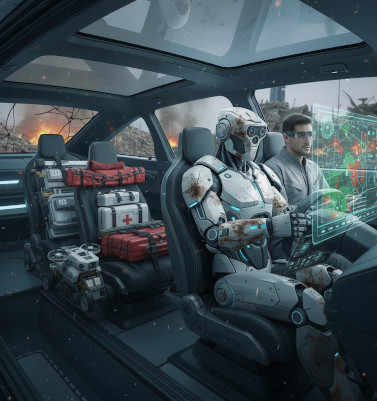
Working alongside AI will become the new normal in the future.
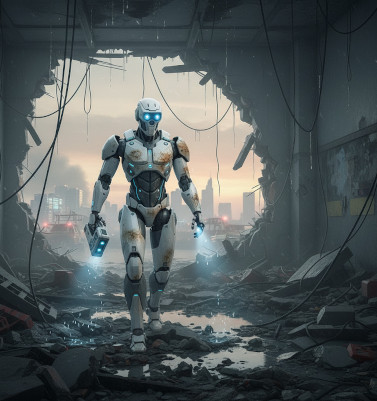
AI-powered bots can rescue people in catastrophic events where human access is impossible.
3. Education
AI can personalize learning experiences, making education more accessible and effective. AI tutors can adapt to individual learning styles and paces, providing customized educational content. AI can also automate administrative tasks, allowing educators to focus more on teaching.
Example: AI-powered educational platforms can offer personalized learning paths for students, adapting to their strengths and weaknesses. AI can also provide real-time feedback and assessments, helping students improve their skills.
4. Transportation
AI is already transforming transportation through autonomous vehicles, smart traffic management systems, and predictive maintenance. AI can make transportation safer, more efficient, and environmentally friendly by reducing accidents, optimizing routes, and minimizing emissions.
Example: Self-driving cars powered by AI can reduce human error, which is a leading cause of road accidents. AI can also optimize public transportation routes and schedules, reducing congestion and improving efficiency.
5. Entertainment
AI is enhancing entertainment experiences by creating personalized content recommendations, generating new forms of art, and enabling immersive virtual reality experiences. AI can analyze user preferences to suggest movies, music, and games that align with individual tastes.
Example: AI algorithms can generate personalized playlists on streaming services like Spotify and Netflix, providing users with tailored entertainment experiences. AI can also create new forms of art, such as music and visuals, by learning from existing works.
6. Ethics and Privacy
As AI becomes more integrated into our lives, ethical considerations and privacy concerns will become increasingly important. Ensuring that AI systems are fair, transparent, and accountable will be crucial. Protecting personal data and preventing misuse of AI technologies will also be essential.
Example: AI systems must be designed to avoid biases and ensure fairness in decision-making processes. Regulations and guidelines will be needed to protect user privacy and prevent the misuse of AI for surveillance or manipulation.
7. Environment and Sustainability
AI can play a significant role in addressing environmental challenges by optimizing resource use, predicting climate patterns, and developing sustainable solutions. AI can help monitor and manage natural resources, reduce waste, and promote renewable energy.
Example: AI can analyze data from sensors and satellites to monitor deforestation, track wildlife populations, and predict natural disasters. AI can also optimize energy consumption in buildings and cities, reducing carbon footprints.
8. Social Interaction
AI-powered virtual assistants and chatbots are changing how we interact with technology and each other. While AI can enhance communication and provide companionship, it also raises questions about the nature of human relationships and social isolation.
Example: AI chatbots can provide emotional support and companionship, especially for those who are isolated or lonely. However, over-reliance on AI for social interaction could lead to decreased face-to-face interactions and potential social isolation.
Conclusion
The future of human life will be significantly shaped by AI, bringing both opportunities and challenges. While AI has the potential to enhance various aspects of our lives, from healthcare and education to transportation and entertainment, it also raises important ethical, privacy, and social considerations. As AI continues to evolve, it will be crucial to ensure that its development and deployment are guided by principles of fairness, transparency, and accountability. By embracing AI responsibly, we can harness its power to create a better future for all.




Leave a comment